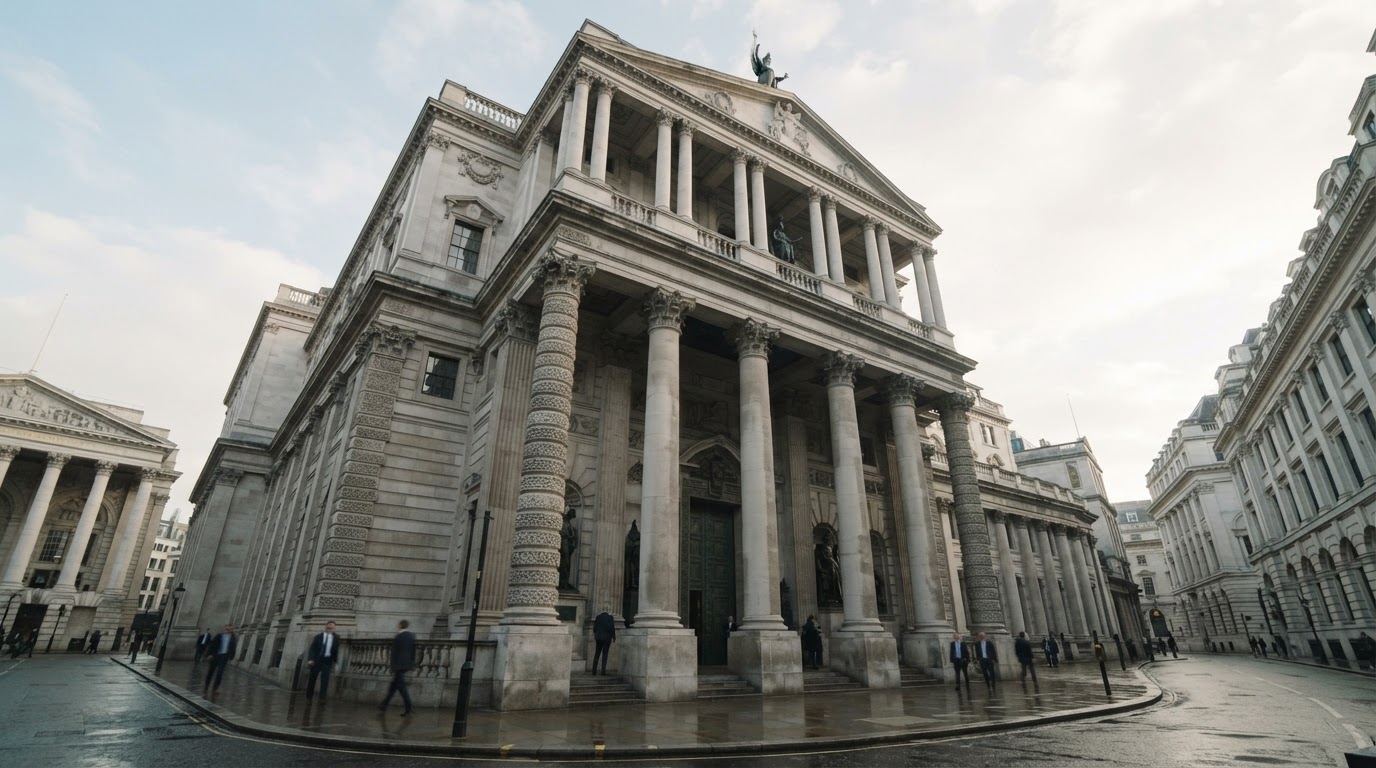
Bank of England officials are turning increasingly hawkish as energy costs mount, with money markets now pricing in a near-certain interest rate increase at the central bank's upcoming Nov. 5 meeting.
- BOESPEAK NLP Model: Bloomberg Economics model shows BoE officials are at their most hawkish stance since early 2023.
- Current Rate Benchmark: The BoE held rates at 3.75% in September via a 6-3 vote, lagging behind the Federal Reserve's target range of 3.75% to 4%.
- Inflation Outlook: UK inflation is projected to breach 4% by early next year, doubling the BoE's 2% target.
- Global Policy Shift: The Bank of Japan raised its interest rate to 1.25% in September, marking its highest level since 1995.
Energy Costs and MPC Hawk Shift
According to Bloomberg Economics' BOESPEAK natural language processing model, which analyzes statements from Monetary Policy Committee (MPC) members, hawkish sentiment has hit its highest level since early 2023. Dan Hanson, chief UK economist at Bloomberg Economics, noted that this shift coincided directly with a surge in energy costs stemming from the ongoing conflict in Iran. While the BoE kept interest rates unchanged at 3.75% in September on a 6-3 vote, a shift by just two members would tip the majority toward tightening.
Governor Andrew Bailey, who holds a crucial swing vote, indicated that sustained high energy prices make a rate increase difficult to avoid. MPC deputies Dave Ramsden and Clare Lombardelli echoed similar concerns during public appearances, including at International Monetary Fund meetings in Bangkok. Hanson currently projects rate hikes in both November and February, though investors are pricing in as many as four rate increases by July—a trajectory Chief Economist Huw Pill has publicly questioned.
Divergent Views Across Global Central Banks
The potential UK rate hike comes as central bank monetary policies diverge globally. While the U.S. Federal Reserve adjusted its target range to 3.75% to 4%, the BoE has refrained from similar tightening measures until now. Global markets are watching central bank moves closely, particularly as the Fed's interest rate stance continues to influence global macro liquidity and risk assets. Elsewhere, the Bank of Japan raised its interest rate to 1.25% in September, reaching a benchmark not seen since 1995.
Internal disagreement remains active within the nine-member MPC. On Oct. 15, Deputy Governor Sarah Breeden argued that corporate lessons from 2022 might prompt companies to absorb cost spikes rather than pass them to consumers. Dovish members Alan Taylor and Swati Dhingra have also urged caution. However, with UK inflation projected to exceed 4% by early next year—double the bank's 2% target—and private-sector wage pressures mounting ahead of 2027 labor negotiations, hawkish policy proposals are rapidly gaining momentum.
Why It Matters
The Bank of England's potential pivot back toward monetary tightening highlights how persistent geopolitical energy shocks continue to disrupt global disinflation trends. If the BoE executes rate hikes in November and February, higher borrowing costs in the UK could further restrict capital liquidity across European and global financial markets. For traditional risk assets and digital markets, sustained central bank hawkishness presents an ongoing macroeconomic headwind as monetary conditions tighten globally.