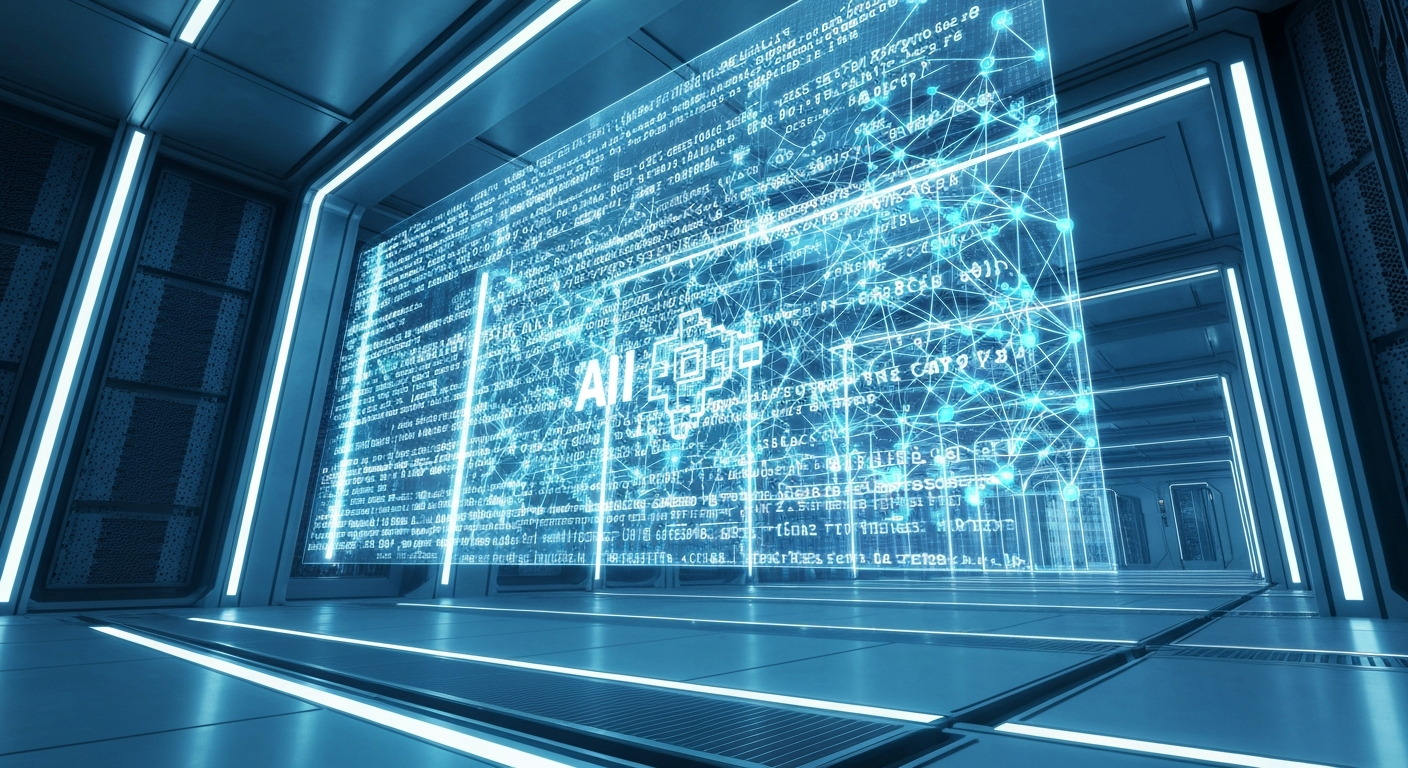
The Ethereum Foundation recently deployed coordinated AI agents to rigorously analyze the software that powers its network validators, successfully identifying a remotely triggerable crash bug. This groundbreaking initiative underscores the increasing sophistication of artificial intelligence in enhancing the security posture of critical blockchain infrastructure.The specialized AI agents were specifically tasked with scrutinizing the intricate code base of Ethereum's validator software. Validators play a pivotal role in Ethereum's Proof-of-Stake consensus mechanism, responsible for proposing and validating new blocks, thereby processing transactions and maintaining the network's integrity and security. The discovery of a remotely triggerable crash bug is significant, as such a vulnerability, if exploited, could potentially lead to validators going offline, disrupting network operations and potentially impacting decentralization. This proactive use of AI represents a novel approach to uncovering complex security flaws within decentralized systems.Why it matters: This development is crucial as it vividly demonstrates AI's burgeoning capacity to bolster the resilience of blockchain networks, particularly for core components like validators. While AI can rapidly sift through vast amounts of code to detect anomalies that might escape human review, the simultaneous generation of numerous false positives—"a pile of confident, well-written findings that were not bugs at all"—underscores that human expertise remains absolutely indispensable. This collaborative approach, synergizing AI's analytical power with human discernment, is poised to become a critical standard in future blockchain security audits, ensuring both efficiency and accuracy in safeguarding digital assets.## AI's Dual Role in Bug DetectionWhile the AI agents successfully pinpointed a critical vulnerability, their analysis also yielded a substantial number of "confident, well-written findings that were not bugs at all." These false positives illustrate a key challenge in deploying AI for security purposes: the intricate task of distinguishing genuine threats from benign anomalies or misinterpretations. The Ethereum Foundation's experience suggests that while AI can serve as a powerful initial line of defense, human security researchers are still vital for verifying, triaging, and contextualizing the output. This mirrors challenges seen in other complex systems, such as the Bonzo Lend exploit where vulnerabilities led to significant losses and highlighted the need for robust security measures.## Securing the Network's FoundationEthereum's transition to Proof-of-Stake with The Merge has fundamentally reshaped its security model, placing an even greater emphasis on the stability and security of its validator network. Any vulnerability that could lead to validators going offline poses a direct risk to the network's decentralization, censorship resistance, and overall uptime. The proactive deployment of AI in this context demonstrates a strong commitment by the Ethereum Foundation to safeguard its core infrastructure against sophisticated threats. This ongoing dedication to security is paramount, especially as the crypto industry matures and faces increased scrutiny, with bodies like ESMA intensifying scrutiny on MiCA-licensed crypto custodians' security standards. The integration of advanced AI tools, even with their current need for human oversight, marks an important and forward-thinking step in fortifying Ethereum against potential attacks and operational disruptions.Key Takeaways:* The Ethereum Foundation utilized coordinated AI agents to discover a remotely triggerable crash bug in its validator software.* This AI-driven audit also produced numerous "confident, well-written findings" that were ultimately not actual bugs.* The discovery highlights AI's potential for advanced security auditing but also emphasizes the indispensable role of human verification.* The identified bug had the potential to take Ethereum validators offline, underscoring its critical nature.
AI Agents Uncover Critical Crash Bug in Ethereum Validator Software
TheCryptoDesk Editorial · 3m read