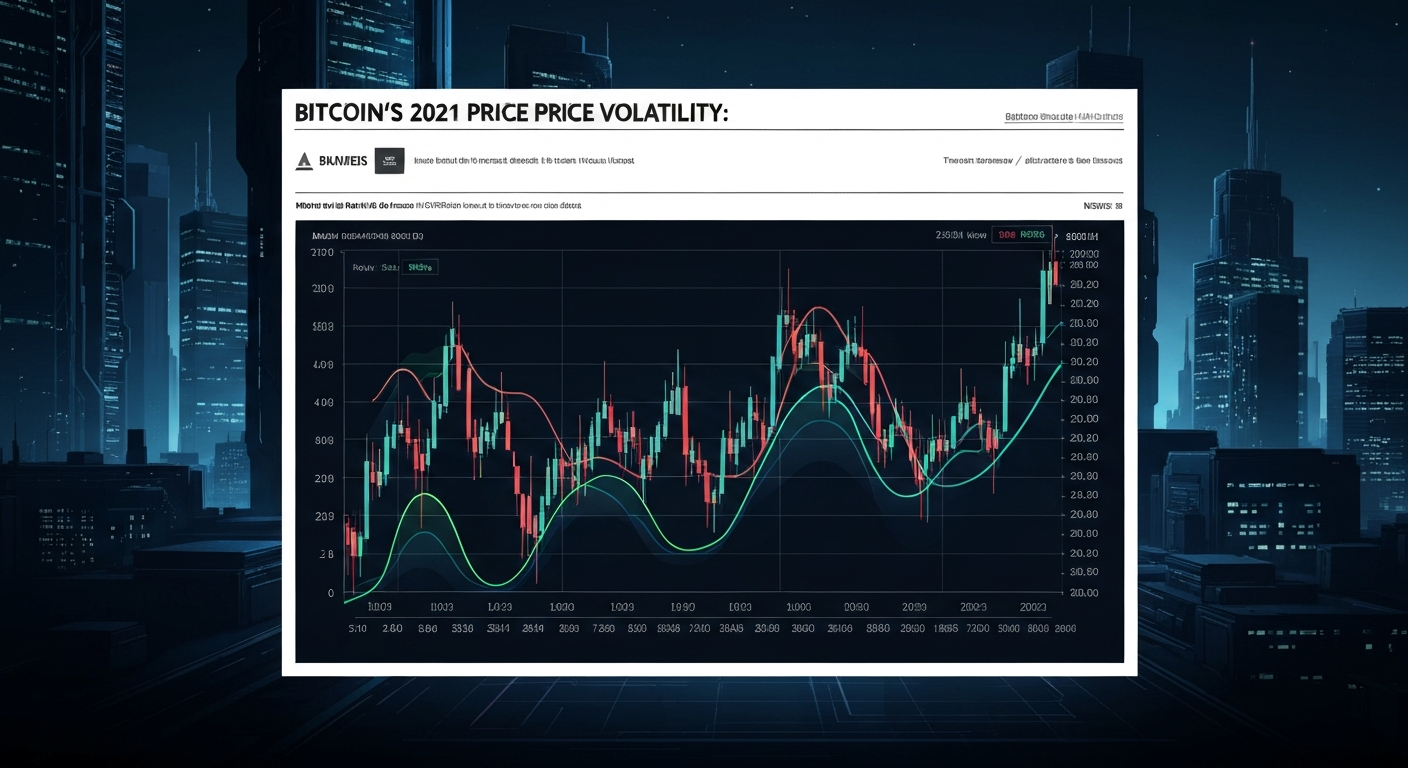
Bitcoin's unique market behavior, characterized by a roughly four-year cycle, is prompting financial advisors to reconsider standard investment methodologies. This cyclical pattern suggests that a simple Dollar-Cost Averaging (DCA) approach might not be the most effective way to navigate its volatility and maximize returns for clients.
The Rhythmic Nature of Bitcoin's Market
Unlike traditional assets, Bitcoin's price movements are strongly influenced by its halving events, which occur approximately every four years. These events cut the reward for mining new blocks by half, historically leading to significant price surges in the subsequent 12-18 months, followed by periods of correction. This predictable rhythm creates distinct accumulation and distribution phases that savvy investors and their advisors can leverage. Understanding these cycles is crucial for developing robust investment strategies that aim to capitalize on market highs and lows, rather than simply averaging in over time.
Rethinking Dollar-Cost Averaging for Bitcoin
While DCA is a widely accepted and often effective strategy for mitigating risk in traditional markets, its application to Bitcoin's pronounced cycles can be suboptimal. Consistently buying a fixed dollar amount at regular intervals, regardless of market conditions, means investors might buy heavily during extended bear markets or miss out on significant gains during bull runs by not adjusting their allocation. For assets with such clear cyclical patterns, a more dynamic approach could yield superior results compared to a static DCA plan. Historical analysis often highlights how specific indicators can signal opportune times for entry or exit, providing a framework for more informed decisions. For instance, historical data shows Bitcoin's 200-week average as a key buying signal.
Embracing a Cycle-Smart Investment Strategy
Financial advisors are increasingly exploring cycle-smart strategies that align with Bitcoin's inherent market dynamics. This involves a more nuanced approach, potentially increasing allocations during perceived accumulation phases and reducing them during periods of peak euphoria. Such a strategy requires a deeper understanding of market indicators and a willingness to deviate from conventional wisdom. By doing so, advisors can better manage client expectations regarding volatility and aim for enhanced long-term returns. This proactive management can significantly improve portfolio performance, especially in an asset as cyclical as Bitcoin.
Key aspects of a cycle-smart strategy for Bitcoin include:
- Phased Accumulation: Strategically increasing investment during bear markets or post-halving corrections.
- Profit Taking: Gradually reducing exposure during parabolic bull runs.
- Indicator-Based Decisions: Utilizing on-chain data and technical analysis to identify cycle phases.
- Risk Management: Implementing stop-losses or rebalancing strategies to protect capital.
Ultimately, adopting a cycle-smart investment strategy can help financial advisors provide more tailored and potentially more profitable advice for clients looking to gain exposure to Bitcoin, moving beyond the limitations of a one-size-fits-all DCA approach.