What Is DeFi? Decentralized Finance Explained
Discover Decentralized Finance (DeFi) – how it works, what you can do, and its unique benefits and risks, all explained for beginners.
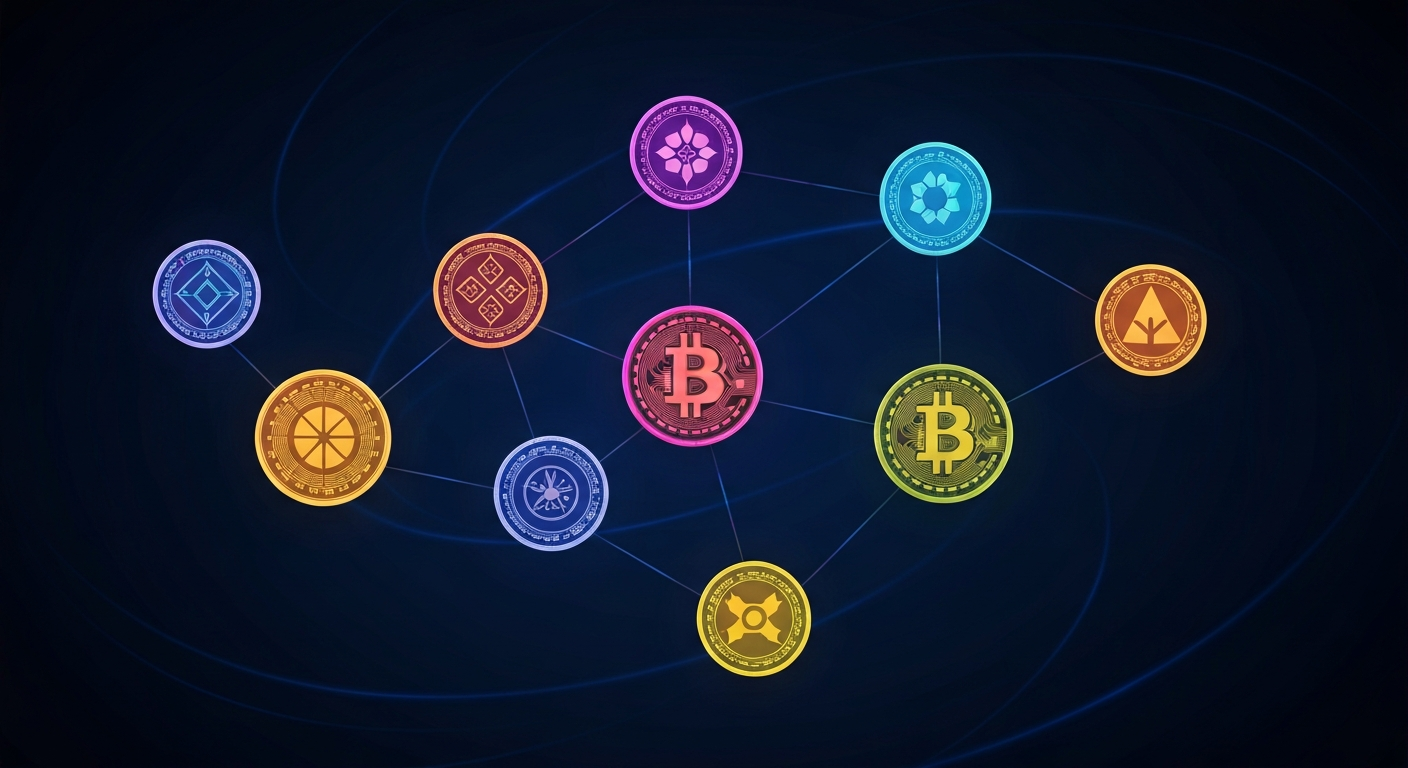
In this guide, you'll learn what Decentralized Finance (DeFi) is, how it works without traditional banks, and the exciting opportunities and important risks it presents. We'll explore how you can use DeFi for things like lending, borrowing, and trading directly on the blockchain.
What is Decentralized Finance (DeFi)?
Decentralized Finance, or DeFi for short, refers to a new way of providing financial services that doesn't rely on traditional banks, brokers, or exchanges. Instead, it uses blockchain technology and smart contracts to create an open, transparent, and accessible financial system. Think of it as a global, open-source financial marketplace where anyone can participate.
Traditional finance involves intermediaries like banks that control your money and facilitate transactions. DeFi removes these middlemen, allowing users to interact directly with financial applications built on a blockchain. This concept of operating without a central authority is called decentralization.
How DeFi Works: The Power of Smart Contracts
The backbone of DeFi is smart contracts. These are like regular contracts, but they are stored and executed automatically on a blockchain. Imagine a vending machine: you put in your money, make a selection, and the machine automatically dispenses your item. A smart contract works similarly for financial transactions.
For example, if you want to borrow money in DeFi, a smart contract automatically handles the collateral, the loan amount, and the interest rates, all without a bank's involvement. Once the conditions written into the code are met, the contract executes itself. This makes DeFi transactions transparent, secure, and often much faster than traditional finance.
Most DeFi applications, also known as DApps (Decentralized Applications), are currently built on the Ethereum blockchain, but other blockchains are also emerging as platforms for DeFi.
Common DeFi Activities: What Can You Do?
DeFi offers a growing range of financial services. Here are some of the most popular:
- Lending and Borrowing: You can lend your cryptocurrency to others and earn interest, much like a savings account. Or, you can borrow crypto by putting up other crypto as collateral (a security deposit). This is often done using stablecoins, which are cryptocurrencies designed to maintain a stable value, usually pegged to the US dollar, making them less volatile than other cryptocurrencies.
- Decentralized Exchanges (DEXs): These platforms allow you to trade cryptocurrencies directly with other users without needing a centralized company to hold your funds. You maintain control of your assets throughout the entire process.
- Yield Farming: This is a way to earn rewards by providing liquidity to DeFi protocols. You deposit your crypto into liquidity pools (collections of funds locked in smart contracts), which are used to facilitate trading or lending. In return, you earn fees or new tokens as a reward. This can be complex and comes with specific risks like impermanent loss, where the value of your deposited assets changes relative to when you first provided them.
Benefits and Risks of DeFi
DeFi brings several exciting benefits:
- Accessibility: Anyone with an internet connection and a crypto wallet can access DeFi services, regardless of their location or financial background.
- Transparency: All transactions on a blockchain are publicly viewable, increasing trust and accountability.
- Efficiency: Smart contracts automate processes, reducing fees and speeding up transactions by removing intermediaries.
However, it's crucial to understand the risks:
- Smart Contract Bugs: Even well-audited smart contracts can have vulnerabilities or bugs that could lead to loss of funds.
- Volatility: The value of many cryptocurrencies can change rapidly, which can affect the value of your investments or collateral.
- User Error: Losing your private keys or seed phrase means losing access to your funds forever. There's no bank to call for help.
- Regulatory Uncertainty: The legal landscape for DeFi is still evolving, which could impact future operations.
- Complexity: Some DeFi activities, like yield farming, can be complicated and require a good understanding of how they work.
Remember, only invest what you can afford to lose. Always do your own research (DYOR) and understand the risks involved before participating in any DeFi activity. Never share your private keys or seed phrase with anyone.
Key takeaways:
- DeFi offers financial services like lending, borrowing, and trading without traditional banks.
- It relies on blockchain technology and self-executing smart contracts.
- DeFi provides greater accessibility and transparency but also comes with unique risks like smart contract bugs and volatility.
- Always understand the risks and only invest what you can afford to lose.